THE JOURNAL / OUR STORY

An Independent Perspective on Coastal Hospitality

MATERIALS / PLACE / COMFORT
FREMANTLE — NEWCASTLE — PORT DOUGLAS
01 / OUR PHILOSOPHY

Architecture Inspired by the Australian Coast

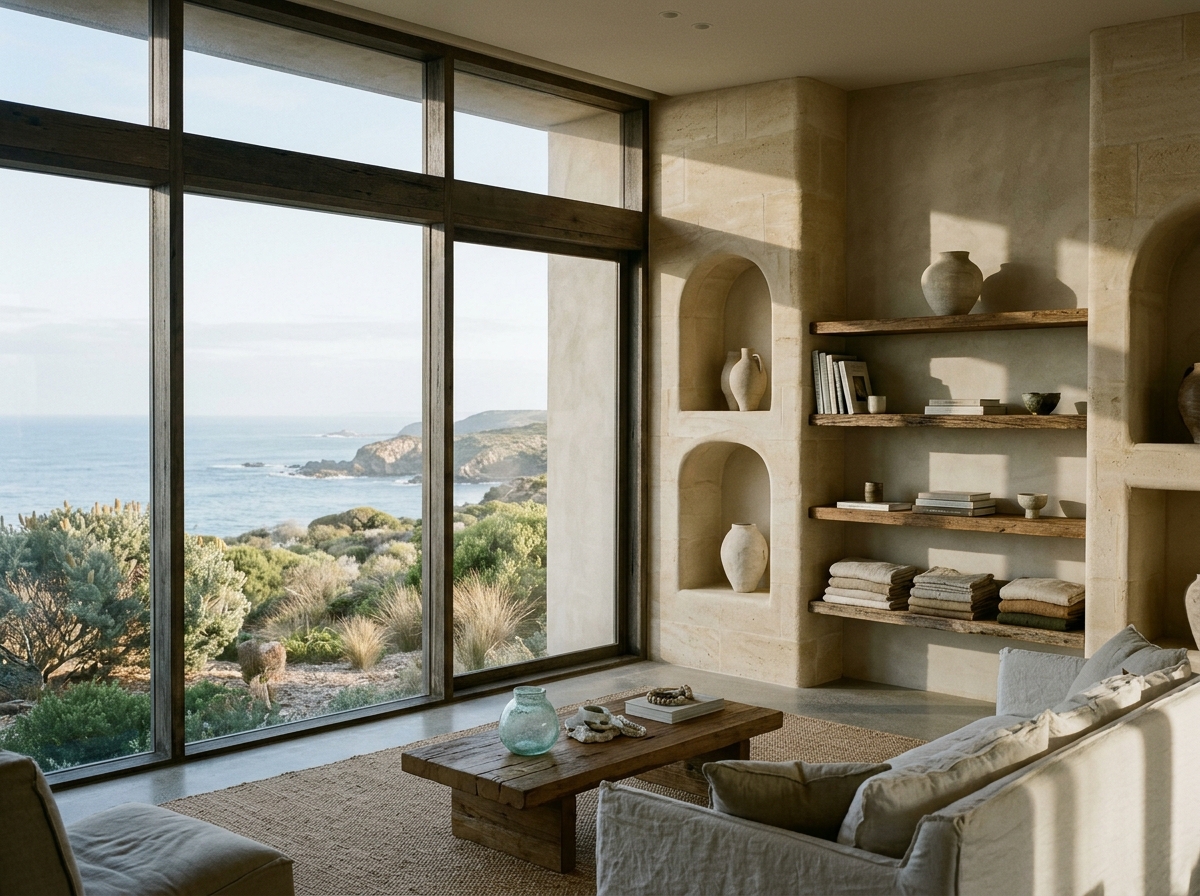
Natural Australian coastal interiors with carefully composed limestone and timber details
FRAME 08Architectural philosophy / light and material

A shoreline is never static. Weather changes the colour of the water, wind changes the way a room sounds and the distance between land and horizon influences how a building should open or close. That movement is the starting point for Ocean Ember Retreat. Rather than treating all premium stays alike, we begin with the setting and its distinctive conditions. Each destination develops its own proportions, materials and character.

Architecture is at its best when it gives attention to ordinary human needs. The guest should know where to arrive, where to leave a bag, where light will fall in the morning and how to reach a shared space without feeling exposed. Thoughtful bedrooms allow privacy and comfort; bathrooms are practical and well lit; corridors are legible without unnecessary signs. We look at durable natural finishes because they connect the interior to the outside world and offer a welcome alternative to surfaces that feel temporary or purely decorative.

Australian coastal environments ask different questions of design. Fremantle suggests a confident dialogue between a working harbour, historic industrial buildings and fresh hospitality. Newcastle introduces broader sightlines, contemporary concrete and a balanced relationship between urban life and open water. In Port Douglas, shade, ventilation, layered planting and robust materials are essential to the atmosphere. The resulting destinations are deliberately related but not identical. A guest should sense a change in place, not simply a change in room number.

The same attentiveness informs the way we study other public interiors, including physical casino architecture. These settings can reveal how lighting, circulation, tactile materials and different zones organise an experience. The casino architecture journal is independent from our destination stories. Gambling facilities and access rules must be verified with the relevant licensed venue, and gambling can cause financial and personal harm. Information about those risks belongs alongside any discussion of gaming environments.

A genuinely considered stay also respects time. A person may want to explore, work quietly, reconnect with others or simply rest without a schedule. Architecture can support all of these intentions by allowing spaces to feel welcoming without controlling how they are used. That balance between place, privacy and a gentle sense of possibility is our guiding perspective.

02 / BEHIND THE LANGUAGE

An Independent Perspective on Hospitality

Ocean Ember Retreat began as an editorial idea: what would a collection of coastal accommodation feel like if it were approached through the curiosity of an independent architecture publication? The answer was not a fixed style. It was a way of looking at places. We approached each destination through materials, photographic frames and the changing quality of light along Australia’s coastline. This continues to inform the collection’s independent, place-led identity.

The palette began with the coast itself. Oyster whites reflect pale mornings and sun-bleached stone. Deep tidal green recalls sheltered water, native foliage and the shade inside a timber room. Burnt ember offers contrast without turning to conventional luxury cues. Sea-glass and warm sand introduce softness. Together, these colours provide a flexible editorial language, equally at ease beside brick warehouse textures, contemporary concrete or a shaded tropical courtyard.

Photography is central to the way the idea is communicated. Contact sheets, film strips and carefully captioned architectural views encourage the visitor to look more slowly. We are drawn to details that a glossy brochure might overlook: a hand-finished threshold, the way a timber screen filters daylight, an unexpectedly quiet seating area, or the point where an internal corridor opens towards the outdoors. These details tell a more interesting story than a generic list of desirable amenities.

Hospitality, in this view, is not a promise that every stay will be identical. It is a thoughtful framework: clear information, easy movement, accommodation that supports rest, service that remains respectful and the freedom to experience a place at an individual pace. Public architectural subjects are documented with the same care. For example, our discussions of land-based casino design focus on physical space, visitor requirements and responsible decisions, rather than gaming promotion or speculative claims about hotel facilities.

The result is an invitation to read architecture as a record of place. Ocean Ember connects three distinctly Australian environments through the shared values of comfort, careful material choices and curiosity. It leaves room for the details that make each destination worth seeing on its own terms.
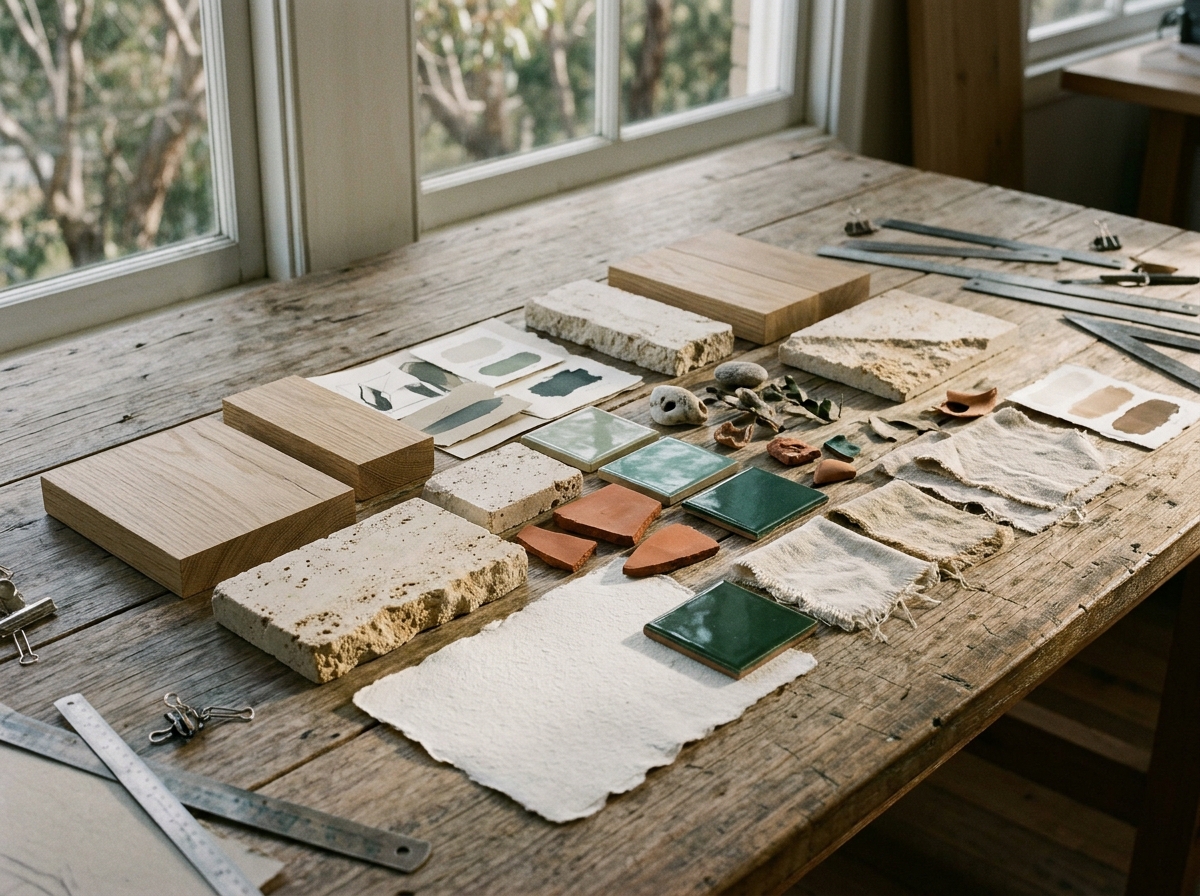
Architecture material studies with timber, limestone, paper and natural coastal colours
FRAME 09The material palette / an editorial study

Architecture & Materials

We give materials a purpose beyond decoration. Stone provides visual weight; timber introduces warmth; textured fabrics soften sound and light. A coastal property should respond to its surroundings through shade, openness, room proportions and sensible transitions between private and shared spaces. We value details that remain useful after the first impression has passed. Distinctive architecture is rarely about adding more objects. It is about knowing where to keep a clear line, where to create an enclosure and where to allow a view to become the room's defining element.

Thoughtful Hospitality

The most memorable aspects of a stay are often the least theatrical: a well-prepared room, useful information at the right moment and a sense that privacy will be respected. Our approach to hospitality prioritises intuitive arrangements, comfortable furnishings and the flexibility to move at a personal pace. We imagine helpful guidance rather than complicated rituals, and warm spaces that do not require guests to behave in a particular way. The aim is for architecture and service to remove small points of friction, leaving more attention for the experience of the destination.

Responsible Experiences

Beautiful surroundings should never distract from practical obligations to guests and visitors. Our editorial approach presents hospitality and the architecture of licensed land-based casinos as distinct subjects. Any discussion of gambling environments includes adult-entry restrictions, financial risk and the availability of support. Readers are encouraged to check venue-specific regulations before visiting. Responsible experiences also depend on clear privacy practices, meaningful consent for optional online services, accessible navigation and truthful communication about what has and has not been confirmed.

03 / COLLECTION NOTES

Design Perspectives

Three architectural considerations from the collection's approach to place, comfort and responsibility.

01 / THE ROOM

Light That Belongs to Place

From harbour-side golden light to a tropical room in shade, the character of a stay often begins with daylight. We plan spaces to work with it rather than compete against it.

02 / THE MATERIAL

Texture Over Excess

Timber, stone, linen and carefully placed colour bring warmth to an interior without overwhelming it. Materials can tell a regional story while remaining quietly useful.

03 / THE VISITOR

Clarity Before Spectacle

Clear information, accessible movement and honest descriptions matter as much as architectural atmosphere. Our separate casino design journal includes adult-entry and responsible gambling information.